
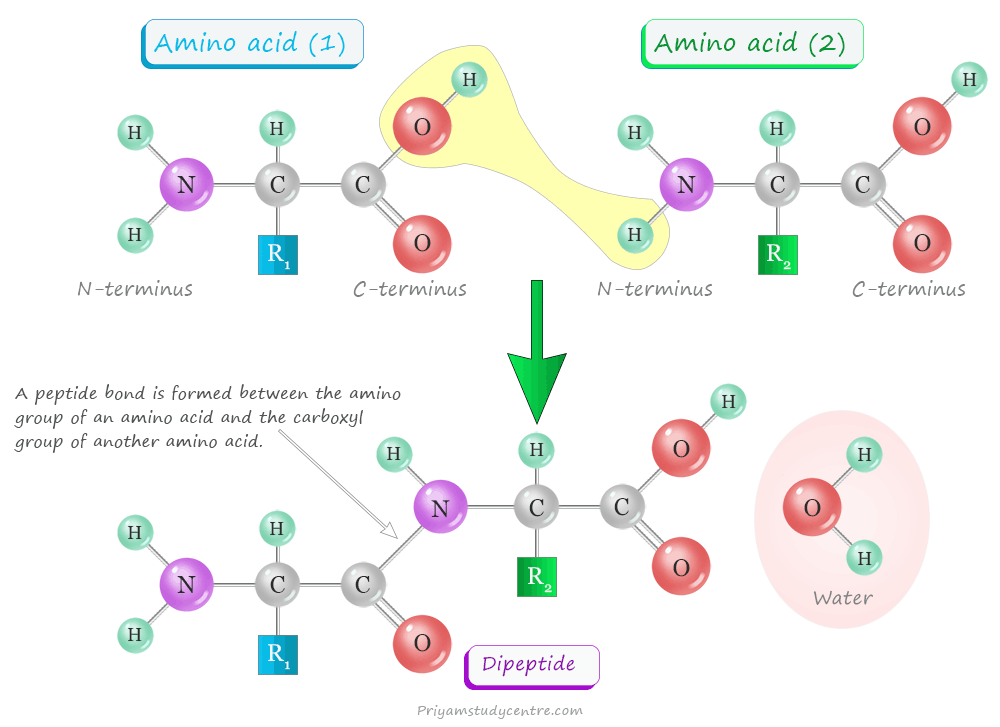
Peptides are short chains of amino acids that participate in many processes in the body and are used in medicine, cosmetology, sports, and scientific research. For those interested in specialized products in this category, a range of peptides and related products is available on the website https://pharma-global.shop/, where you can explore the available items and their features. Interest in peptides is related to the fact that different compounds can interact with specific receptors and participate in signal transmission between cells.
What Peptides Are and How They Work
Peptides consist of amino acids connected to each other by peptide bonds. They usually include relatively short chains containing approximately 2 to 50 amino acids. Longer structures are generally classified as proteins. At the same time, even a small difference in the amino acid sequence can noticeably change the properties of a substance.
In the body, peptides participate in various processes:
- signal transmission between cells;
- regulation of metabolic processes;
- functioning of the immune system;
- tissue recovery;
- control of certain hormonal mechanisms.
It is important to understand that peptides differ greatly from one another. It should not be assumed that every compound has the same effect or is suitable for the same purposes.
Use of Peptides in Medicine
One of the main areas remains medicine. Some peptide substances are used as active ingredients in medicinal products. They are valued for their ability to affect specific biological processes.
Peptide-based medicines may be used in such areas as:
- endocrinology and correction of certain hormonal disorders;
- treatment of some metabolic diseases;
- support of certain regeneration processes;
- development of medicines for the treatment of various chronic diseases.
Hundreds of peptide compounds are currently being studied, but far from all of them become medicinal products. Before medical use, substances undergo laboratory research and clinical trials that make it possible to assess effectiveness, dosage, and possible adverse reactions.
Peptides in Cosmetology and Skin Care
Another popular area is cosmetology. Peptides are included in serums, creams, and professional skin care products. Compounds associated with maintaining normal skin condition and its renewal processes are especially in demand.
In cosmetic formulas, peptides may be used to:
- support skin firmness and elasticity;
- reduce the appearance of age-related changes;
- strengthen the protective barrier;
- improve the overall appearance of the skin.
At the same time, the result depends not only on the presence of a peptide in the formula. Its concentration, formula stability, ability to penetrate the necessary layers of the skin, and regular use of the product are also important.
Use in Sports and Recovery
Peptides are also actively studied in connection with physical activity and recovery processes. Some compounds can affect signaling mechanisms related to tissue growth, metabolism, or recovery after exercise.
However, an important problem arises here: people sometimes use poorly studied substances on their own, relying only on the promised effect. Such an approach can lead to adverse reactions and unpredictable consequences. In addition, certain substances may be prohibited in professional sports.
Therefore, before using any products capable of affecting hormonal or metabolic processes, it is necessary to take into account their official status and specialist recommendations.
Peptides represent a large group of biologically active compounds, so their areas of application are very diverse — from pharmaceutical development to cosmetic products. Some substances are already well studied, while others are still at the research stage. This is why, when choosing peptide products, it is important to consider their purpose, composition, confirmed properties, and safety, especially if the product is capable of affecting physiological processes in the body.