
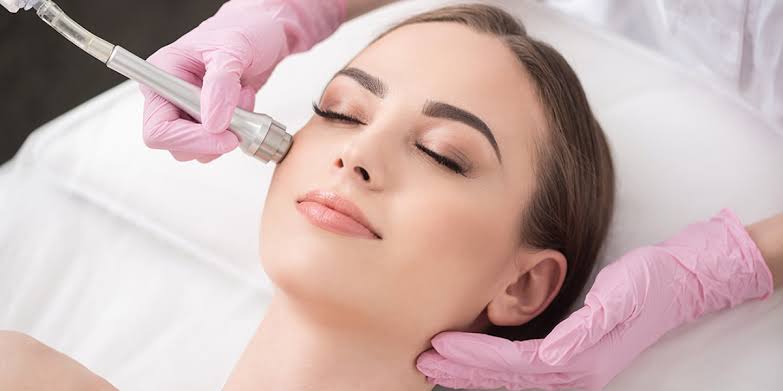
A properly selected cosmetology procedure helps improve the condition of the skin without unnecessary irritation, overloading it with active ingredients, or creating unrealistic expectations. When choosing a procedure, it is important to consider not only age, but also skin type, sensitivity, hydration level, the presence of breakouts, pigmentation, and other individual characteristics. The modern field of cosmetology dubai offers a wide range of professional procedures for different concerns and makes it possible to create an individual care plan based on the condition of the skin. At the same time, the same procedure can produce completely different results for two people, so universal solutions practically do not exist.
Why Skin Type Affects the Choice of Procedures
Skin type determines how actively the sebaceous glands work, how quickly a feeling of dryness appears, and how prone the skin is to irritation. Dry, oily, combination, and normal skin types are usually distinguished, but sensitivity, dehydration, and a tendency to inflammation are also taken into account.
The main characteristics can be identified as follows:
- dry skin often feels tight after washing and may flake;
- oily skin is characterized by noticeable shine, enlarged pores, and a tendency to develop comedones;
- combination skin is usually oilier in the T-zone and drier on the cheeks;
- sensitive skin quickly becomes red and reacts to cosmetics or external factors.
According to observations by aesthetic medicine specialists, dehydration can occur even in oily skin. Therefore, a visual assessment of oiliness alone is not enough: before a procedure, it is necessary to evaluate the protective barrier, moisture level, and tissue reactivity.
Which Procedures Are Suitable for Dry and Sensitive Skin
For dry skin, the main goal is to restore hydration and the protective layer. Aggressive peels and frequent cleansing can increase tightness, so the program is usually designed to be as gentle as possible.
The following options are most often considered:
- gentle superficial peels;
- professional moisturizing treatments;
- procedures with hyaluronic acid;
- device-based methods with gentle settings.
Home care is especially important after procedures. Creams with ceramides, hyaluronic acid, and ingredients that help restore the skin barrier can help maintain the result. It is also necessary to use sunscreen with SPF 30–50 every day, since ultraviolet radiation accelerates the development of dryness, pigmentation, and signs of photoaging.
What to Choose for Oily and Problematic Skin
The main mistake people with oily skin make is trying to “dry it out” as much as possible. Overly aggressive cleansing can damage the protective barrier, after which the skin becomes irritated while the feeling of oiliness may still remain.
Depending on the condition, a specialist may recommend:
- professional cleansing if comedones are present;
- acid peels to control keratinization;
- procedures aimed at reducing inflammation;
- device-based methods designed to improve skin texture and the condition of pores.
With active acne, cosmetology procedures should be selected especially carefully. Deep mechanical treatment of inflamed areas may worsen the condition. In such cases, it is important to first determine the cause of the breakouts and involve a dermatologist if necessary.
How to Choose Procedures for Pigmentation and Age-Related Changes
After the age of 30–35, many people notice reduced skin firmness, the appearance of fine lines, and a more uneven skin tone. However, age alone is not a sufficient reason to prescribe a specific procedure. It is much more important to assess skin density, the level of photodamage, facial expressions, and tissue quality.
The following methods may be used for correction:
- peels and device-based procedures to even out skin tone;
- injectable methods for hydration and support of skin quality;
- methods that stimulate collagen production;
- procedures for correcting individual wrinkles and facial contours.
Collagen production in the skin becomes less active with age, so programs are often aimed not simply at creating a visible effect, but at stimulating natural tissue renewal. With pigmentation, sun exposure also needs to be controlled, otherwise even a well-performed procedure may provide only a temporary result.
Why a Consultation Is More Important Than the Popularity of a Procedure
Choosing a procedure only because it is popular on social media is not the right approach. A cosmetologist should first assess the condition of the skin and collect information about home care, previous procedures, allergic reactions, and possible contraindications.
Before starting a course, it is useful to discuss three points:
- what problem the procedure should address;
- how many sessions may be required;
- what care is necessary after the treatment.
A good plan usually includes not the maximum number of procedures, but only the methods that the skin actually needs. Sometimes it is enough to adjust home care and add one professional procedure every few weeks.
The proper choice of cosmetology procedures begins with assessing the condition of the skin, not with the name of a trendy method. Dry skin needs restoration and hydration, oily skin needs inflammation control without overdrying, sensitive skin requires the gentlest possible approach, and with age-related changes it is important to work with tissue quality comprehensively. An individual consultation and a consistent approach help achieve a natural result while preserving skin health.